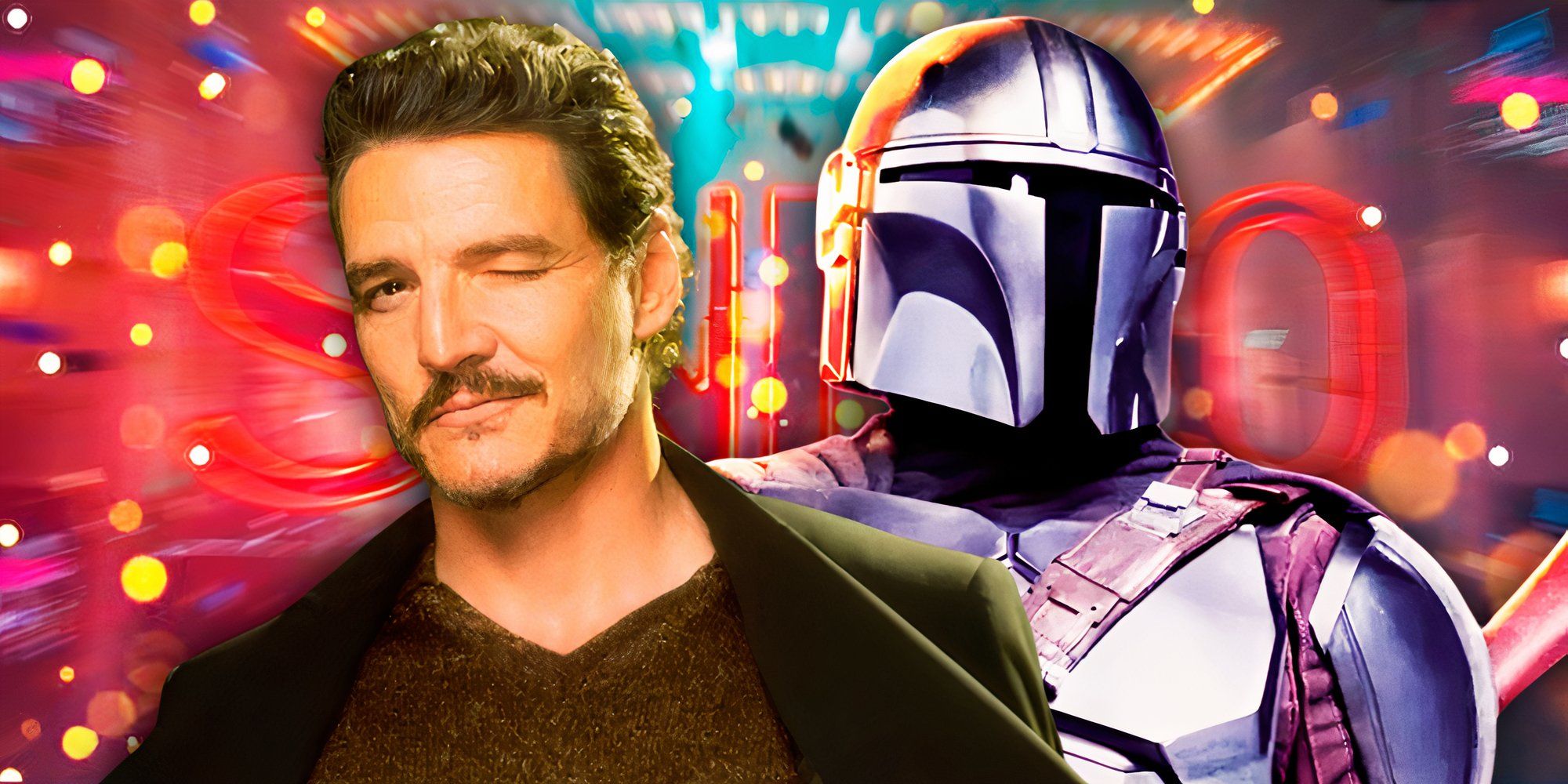
Pedro Pascal stood under the bright lights of Mexico City’s fan-filled event, flanked by stormtroopers and surrounded by roaring crowds chanting for Grogu, when something shifted. His voice wavered mid-sentence. A pause. A blink too long. Then, the unmistakable glint of a tear held back—just barely. It wasn’t scripted. It wasn’t performative. It was raw, real, and instantly viral.
The moment didn’t involve a dramatic plot twist or a lightsaber duel. It happened during a Q&A when a young fan asked Pascal what Grogu meant to him. His answer, heartfelt and halting, cracked open the emotional core behind The Mandalorian phenomenon—and revealed just how deeply the role has affected its lead actor.
This wasn’t just another promotional stop. It was a cultural moment that underscored the connection between performer, character, and audience in a way few franchises can replicate.
The Weight Behind the Helmet
Pedro Pascal doesn’t wear the Mandalorian armor in every scene, but he carries its weight in every appearance. The character of Din Djarin is defined by restraint—emotions buried beneath beskar steel, words chosen with care. Yet off-screen, Pascal has become the emotional conduit for the series, voicing its heart in interviews, panels, and events like the one in Mexico.
When the fan asked about Grogu, Pascal didn’t deflect with humor or fall back on PR polish. He spoke of fatherhood, of protection, of the quiet, wordless bond that defines the show’s emotional spine. His voice caught. His eyes glistened. And in that instant, fans saw not the stoic bounty hunter, but the man behind the myth.
“It’s not just a job,” Pascal later said. “It’s a relationship—one that’s changed how I see storytelling, connection, even love.”
That moment resonated because it mirrored the journey viewers have taken since Season 1: a lone warrior learning to feel, to care, to be vulnerable. Pascal wasn’t just acting. He was living it—publicly.
Why This Moment Went Viral
The clip spread across social media within minutes. Not because it was shocking, but because it was rare: a celebrity caught in authentic emotion, unfiltered and unedited.
In an era of polished influencer content and rehearsed press tours, Pascal’s near-tears stood out. Fans shared it with captions like “He’s one of us” and “He really does love Grogu.” Memes followed, yes—but so did thoughtful commentary on the emotional toll of embodying such a resonant character.
Three factors amplified the moment’s impact:
- The Power of Shared Fandom: The event wasn’t a sterile convention hall—it was a celebration. The crowd dressed as Mandalorians, brought handmade Grogu plushies, and sang the theme song in unison. That energy was palpable, and Pascal felt it.
- The Child Actor Effect: While Grogu is puppeteered and CGI-enhanced, Pascal’s on-set interactions are with real performers—most notably, the puppeteers who bring the character to life. Over seasons, these relationships deepen. “It’s impossible not to feel protective,” Pascal admitted in a past interview. “You’re not just working with a character—you’re co-parenting one.”
- The Cultural Significance of Mexico City: As a Latin American actor with strong ties to the region, Pascal’s appearance in Mexico wasn’t just promotional—it was personal. Speaking in fluent Spanish, engaging with local fans, and acknowledging the city’s passion for Star Wars added layers of meaning to his emotional response.
The Mandalorian’s Emotional Blueprint

The Mandalorian has always balanced action with intimacy. From the first scene of the tiny, Force-sensitive foundling, the show leaned into emotional stakes as much as galactic conflict. But Pascal’s reaction in Mexico highlighted how much of that tone comes from him—even when he’s not on screen.
Consider:
- Season 1, Episode 8: The quiet moment when Din removes his helmet to feed Grogu—an act of ultimate vulnerability.
- Season 2, Episode 8: The farewell on the forest moon of Corvus, where “I’ll see you around” carries the weight of a lifetime.
- Season 3, Episode 8: The baptism ceremony, where Din becomes a full member of the Tribe—rooted in legacy and belonging.
Each milestone in Din’s journey mirrors Pascal’s own growing investment. Directors have noted how Pascal often stays in character between takes, whispering to the Grogu puppet or adjusting its blanket. The crew jokes that he’s “Din off-set, too.”
At the Mexico event, that blur between actor and role became visible. The love wasn’t faked. It wasn’t even acted. It was lived.
The Pressure of Icon Status
With emotional authenticity comes pressure. Pascal is no stranger to adoration—Narcos, Game of Thrones, The Last of Us—but The Mandalorian has elevated him to icon status in a different way. He’s not just playing a hero; he’s embodying a symbol of quiet strength and paternal love in a chaotic universe.
But that comes with emotional labor.
Actors often speak of “leaving the role at work.” With The Mandalorian, Pascal can’t. The helmet is everywhere—from Halloween costumes to baby onesies. Grogu memes flood timelines daily. The show’s merchandising machine is relentless. And fans don’t just love the character—they feel personally connected to Pascal as the man behind it.
At the Mexico event, that weight surfaced. The tears weren’t just about nostalgia or sentiment. They were the culmination of years of carrying a role that’s seeped into his identity.
“People forget,” said a crew member who attended the event anonymously, “that he’s still acting—even when he’s answering fan questions. That emotion? That’s real. But the control he has to maintain? That’s performance.”
Fan Reactions: Why This Moment Mattered
Within hours, #PedroPascalTears trended globally. Fans didn’t just share the clip—they interpreted it.
Some saw it as proof that Pascal truly loves the role. Others viewed it as a reflection of collective fan grief over the show’s evolving direction—especially with the upcoming The Mandalorian & Grogu film, which promises a new chapter.
But the most powerful responses came from parents.
“I cried watching him hold back tears because I know that look,” wrote one parent on Reddit. “It’s the look you get when your kid says ‘I love you’ for the first time. That’s what Grogu is to him.”
Another fan noted: “He’s not just an actor playing a dad. He’s become one—emotionally, spiritually. And we’ve all witnessed it.”
Even non-fans were moved. “I’ve never seen a Star Wars thing,” said a TikTok user in a viral voiceover, “but I watched this and felt something in my chest.”
The Bigger Picture: Vulnerability as Strength
Pascal’s moment wasn’t just about a TV show. It was a cultural statement on masculinity, emotion, and connection.
In a world where male celebrities are often expected to be cool, detached, or endlessly charismatic, Pascal’s vulnerability was radical. He didn’t smile through it. He didn’t crack a joke. He let the emotion sit—unresolved, unperformed.
That’s rare. And it’s powerful.
Hollywood is slowly shifting toward emotional honesty in male leads—Succession, The Last of Us, Euphoria—but Pascal’s moment in Mexico was different. It wasn’t scripted drama. It was real life, unfolding in real time, in front of thousands.
And it reminded audiences why they love stories like The Mandalorian in the first place: not for the blasters or the bounty hunting, but for the quiet moments that make us feel seen.
What This Means for The Mandalorian & Grogu
The upcoming film—The Mandalorian & Grogu—is already shrouded in anticipation. Details are scarce, but director Jon Favreau has confirmed it will be “more epic in scale” and “deeply personal.”
Pascal’s emotional display in Mexico suggests he’s fully invested in taking the story forward.
“There’s still so much to explore,” he said during the event. “Not just as warriors, but as a family.”
Fans can expect:
- A deeper dive into Mandalorian culture and history
- Grogu’s evolving Force abilities
- New allies (and enemies) from across the galaxy
- And, likely, more moments that test Din’s emotional armor
If the Mexico event is any indication, Pascal will bring not just his performance skills—but his heart.
How Fans Can Honor the Moment
This wasn’t just a viral clip. It was a shared emotional experience. Fans can honor it by:
- Supporting authentic storytelling in sci-fi and beyond
- Respecting actors’ emotional boundaries while celebrating their vulnerability
- Engaging with content that prioritizes character over spectacle
- Recognizing that behind every helmet, there’s a human being
And the next time you watch The Mandalorian, pause during the quiet scenes. Listen to the tone of Pascal’s voice. Watch his eyes. That’s not just acting. That’s connection.
Pedro Pascal fought back tears in Mexico because he felt something real. And in doing so, he reminded millions of fans why they fell in love with the story in the first place.
FAQs
Why did Pedro Pascal get emotional at the Mexico event? He was moved by a fan’s question about his bond with Grogu, which tapped into the deep emotional journey he’s experienced while playing Din Djarin.
Was Pedro Pascal actually crying? He didn’t fully cry, but fans and cameras captured him visibly fighting back tears during the heartfelt response.
Did the Grogu puppet appear at the event? No live puppet was present, but Grogu was celebrated through props, fan art, and digital displays. Pascal’s emotion stemmed from the symbolic and personal connection to the character.
How many seasons of The Mandalorian has Pedro Pascal starred in? Pascal has starred in all three released seasons and will reprise his role in the upcoming film The Mandalorian & Grogu.
Is Pedro Pascal the only actor playing The Mandalorian? Yes, he is the primary performer, though stunt doubles and voice modifiers assist in action scenes. He performs the majority of dialogue and emotional scenes.
Does Pedro Pascal speak Spanish at events? Yes, fluently. He used Spanish throughout the Mexico event, connecting directly with local fans and honoring his Latin American heritage.
Will Grogu ever speak in the series? While Grogu has made sounds and communicated telepathically, he has not spoken full sentences—consistent with Yoda’s species in Star Wars lore.
FAQ
What should you look for in Pedro Pascal Fights Back Tears at Mandalorian Event in Mexico? Focus on relevance, practical value, and how well the solution matches real user intent.
Is Pedro Pascal Fights Back Tears at Mandalorian Event in Mexico suitable for beginners? That depends on the workflow, but a clear step-by-step approach usually makes it easier to start.
How do you compare options around Pedro Pascal Fights Back Tears at Mandalorian Event in Mexico? Compare features, trust signals, limitations, pricing, and ease of implementation.
What mistakes should you avoid? Avoid generic choices, weak validation, and decisions based only on marketing claims.
What is the next best step? Shortlist the most relevant options, validate them quickly, and refine from real-world results.